CURRENT AFFAIRS | MARCH 26, 2026
A day after US President Trump called PM Modi regarding the Strait of Hormuz situation, the government convened an all-party meeting to brief political parties on India’s position on the West Asia crisis. PM Modi made it unequivocally clear that India is not a “dalal” (broker) nation — asserting India’s strategic autonomy and independent foreign policy stance. For Govt. Exams 2026-27 aspirants, this event is rich in constitutional law, international relations, and India’s diplomatic doctrine.
What Happened at the All-Party Meeting?
- The government convened the all-party meeting after US President Trump’s call to PM Modi on the Strait of Hormuz situation
- India stated it wanted the war to end because it was “affecting everyone” — not because it was acting on behalf of any nation
- The Opposition raised concerns about India losing importance as leader of the Global South
- Congress MP Mukul Wasnik questioned whether India was merely acting as an “energy broker”
- PM Modi responded firmly that India is not a “dalal” (broker) nation — India acts in its own national interest and for global peace
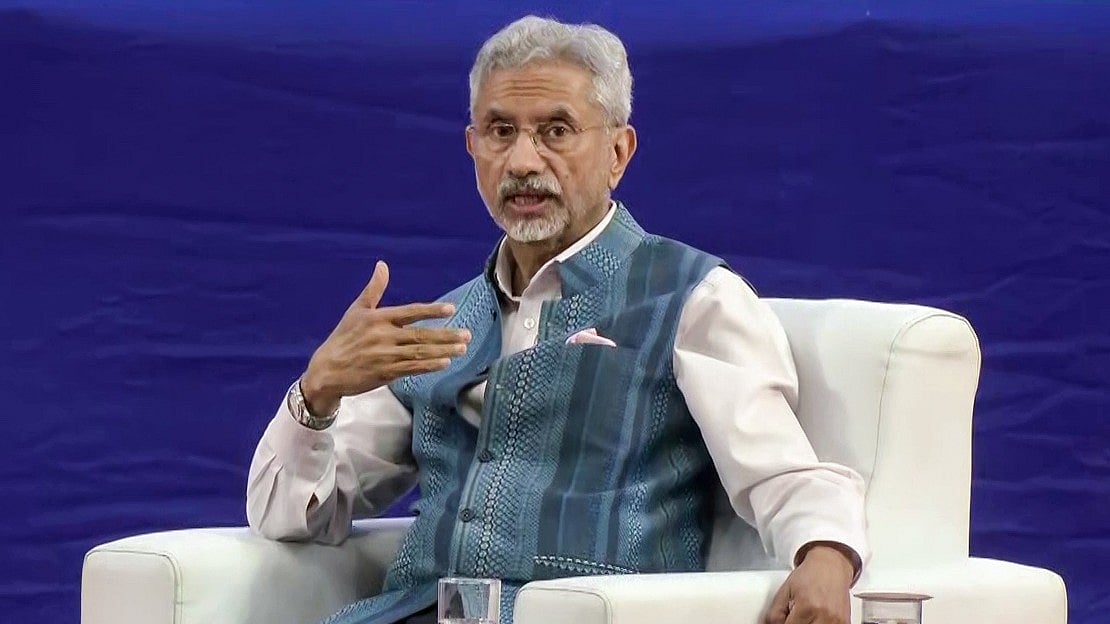
- External Affairs Minister S. Jaishankar pointed out that Pakistan has been playing a mediator role in West Asia since 1981, contrasting it with India’s principled approach
India’s Strategic Autonomy Doctrine
The concept of strategic autonomy is the cornerstone of India’s post-Cold War foreign policy:
- Definition: Making independent foreign policy decisions based on national interest, without being bound to any bloc, alliance, or external pressure
- Evolution: From Nehruvian non-alignment to modern multi-alignment — India maintains partnerships with both the US and Russia, both Israel and Arab states
- Current application: India refuses to be a “broker” for any side in West Asia — it engages for peace on its own terms
- Global South leadership: India sees itself as a voice for developing nations (G20 presidency 2023, “Voice of Global South” summits)
Constitutional Framework
Article 51 (DPSP) — The State shall endeavour to: (a) promote international peace and security; (b) maintain just and honourable relations between nations; (c) foster respect for international law and treaty obligations; (d) encourage settlement of international disputes by arbitration.
Article 253 — Notwithstanding anything in the foregoing provisions, Parliament has power to make any law for the whole or any part of India for implementing any treaty, agreement, or convention with any other country.
Article 73 — The executive power of the Union shall extend to matters with respect to which Parliament has power to make laws. Foreign affairs, being Entry 10 of the Union List (Seventh Schedule), falls exclusively under the Central Government.
CLAT Angle — How This Can Be Asked
- Reading Comprehension: Passage on India’s all-party meeting and strategic autonomy doctrine — questions on tone, central argument, and inference about India’s diplomatic posture
- Legal Reasoning: Scenario — Parliament passes a law to implement a UN Security Council resolution on West Asia sanctions. A state government objects that this affects its trade relations. Under Art. 253, can Parliament override state objections for international treaty implementation?
- Logical Reasoning: Evaluate the argument: “If India mediates, it is a broker. If it doesn’t mediate, it loses influence. Therefore, India faces a diplomatic dilemma.” Identify the false dichotomy.
- GK/Current Affairs: Direct questions on Art. 51 DPSP, Art. 253, Union List Entry 10, Vishaka case, strategic autonomy
Foreign Affairs Under the Constitution
The constitutional architecture for India’s foreign policy:
- Union List, Entry 10 (Seventh Schedule) — Foreign affairs; all matters which bring the Union into relation with any foreign country
- Article 73 — Executive power of the Union extends to foreign affairs — the Prime Minister and External Affairs Minister conduct diplomacy under this authority
- Article 253 — Parliament can legislate on any subject (even State List items) to implement international treaties — this overrides the normal federal distribution of powers
- Treaty-making power — Primarily an executive function (Art. 73), but Parliament legislates to give domestic effect to treaties (Art. 253)
Vishaka v. State of Rajasthan — International Law Fills Gaps
The landmark case of Vishaka v. State of Rajasthan (1997) is directly relevant to understanding how international obligations interact with domestic law:
- The Supreme Court used the CEDAW (Convention on the Elimination of All Forms of Discrimination Against Women) guidelines to lay down law on sexual harassment at the workplace
- The Court held that international conventions and norms can be used to fill legislative gaps in domestic law, provided they are not inconsistent with fundamental rights
- This principle applies to India’s engagement with international treaties on West Asian peace
Key Facts at a Glance
| Trigger | Trump’s call to PM Modi on Hormuz |
| PM Modi’s statement | India is not a “dalal” (broker) |
| Congress MP who questioned | Mukul Wasnik |
| EAM Jaishankar’s point | Pakistan mediating since 1981 |
| Foreign Affairs — Constitutional entry | Union List, Entry 10 |
| Art. 51 DPSP | International peace & security |
| Key case on international law | Vishaka v. State of Rajasthan (1997) |
Mnemonic: PEACE (Art. 51 DPSP Clauses)
P — Promote international peace and security — Art. 51(a)
E — Encourage settlement of disputes by arbitration — Art. 51(d)
A — Art. 253 — Parliament can legislate for international treaties
C — Conventions respected — Art. 51(c) — foster respect for international law
E — Entry 10, Union List — Foreign affairs is exclusively Central
India’s Diplomatic Position — Analysis
India’s stance in the West Asia crisis reflects several strategic calculations:
- Energy security: India imports 85% of crude oil, much of it from West Asia — it has a direct interest in regional stability
- Diaspora protection: Over 8 million Indians live and work in the Gulf region
- Multi-alignment: India maintains relations with all sides — Iran, Saudi Arabia, UAE, Israel, and the US
- Global South credibility: Acting as an independent voice rather than a proxy for any superpower enhances India’s credibility among developing nations
- Historical context: India’s non-alignment tradition (Nehru-era) evolves into strategic autonomy — same principle, modern application
[clat_quiz data-b64=”W3sicSI6ICJBcnRpY2xlIDUxIG9mIHRoZSBDb25zdGl0dXRpb24gKERQU1ApIHJlbGF0ZXMgdG86IiwgIm9wdGlvbnMiOiBbIlByb21vdGlvbiBvZiBlZHVjYXRpb25hbCBpbnRlcmVzdHMiLCAiUHJvbW90aW9uIG9mIGludGVybmF0aW9uYWwgcGVhY2UgYW5kIHNlY3VyaXR5IiwgIlByb3RlY3Rpb24gb2YgZW52aXJvbm1lbnQiLCAiT3JnYW5pemF0aW9uIG9mIHZpbGxhZ2UgcGFuY2hheWF0cyJdLCAiYW5zd2VyIjogMSwgImV4cGxhbmF0aW9uIjogIkFydGljbGUgNTEgZGlyZWN0cyB0aGUgU3RhdGUgdG8gcHJvbW90ZSBpbnRlcm5hdGlvbmFsIHBlYWNlIGFuZCBzZWN1cml0eSwgbWFpbnRhaW4ganVzdCByZWxhdGlvbnMgYmV0d2VlbiBuYXRpb25zLCBhbmQgZm9zdGVyIHJlc3BlY3QgZm9yIGludGVybmF0aW9uYWwgbGF3LiJ9LCB7InEiOiAiRm9yZWlnbiBBZmZhaXJzIGlzIGxpc3RlZCB1bmRlciB3aGljaCBMaXN0IG9mIHRoZSBTZXZlbnRoIFNjaGVkdWxlPyIsICJvcHRpb25zIjogWyJTdGF0ZSBMaXN0IiwgIkNvbmN1cnJlbnQgTGlzdCIsICJVbmlvbiBMaXN0IiwgIlJlc2lkdWFyeSBMaXN0Il0sICJhbnN3ZXIiOiAyLCAiZXhwbGFuYXRpb24iOiAiRm9yZWlnbiBBZmZhaXJzIGlzIEVudHJ5IDEwIGluIHRoZSBVbmlvbiBMaXN0IChMaXN0IEkpIG9mIHRoZSBTZXZlbnRoIFNjaGVkdWxlLCBtYWtpbmcgaXQgYW4gZXhjbHVzaXZlIENlbnRyYWwgc3ViamVjdC4ifSwgeyJxIjogIkFydGljbGUgMjUzIGVtcG93ZXJzIFBhcmxpYW1lbnQgdG86IiwgIm9wdGlvbnMiOiBbIkRlY2xhcmUgd2FyIiwgIk1ha2UgbGF3cyBmb3IgaW1wbGVtZW50aW5nIGludGVybmF0aW9uYWwgdHJlYXRpZXMiLCAiQXBwb2ludCBhbWJhc3NhZG9ycyIsICJSYXRpZnkgaW50ZXJuYXRpb25hbCBhZ3JlZW1lbnRzIl0sICJhbnN3ZXIiOiAxLCAiZXhwbGFuYXRpb24iOiAiQXJ0aWNsZSAyNTMgZW1wb3dlcnMgUGFybGlhbWVudCB0byBtYWtlIGFueSBsYXcgZm9yIGltcGxlbWVudGluZyBpbnRlcm5hdGlvbmFsIHRyZWF0aWVzLCBhZ3JlZW1lbnRzLCBvciBjb252ZW50aW9ucy4ifSwgeyJxIjogIkluIHdoaWNoIGxhbmRtYXJrIGNhc2UgZGlkIHRoZSBTdXByZW1lIENvdXJ0IGhvbGQgdGhhdCBpbnRlcm5hdGlvbmFsIGNvbnZlbnRpb25zIGNhbiBmaWxsIGxlZ2lzbGF0aXZlIGdhcHM/IiwgIm9wdGlvbnMiOiBbIktlc2F2YW5hbmRhIEJoYXJhdGkgdi4gU3RhdGUgb2YgS2VyYWxhIiwgIlZpc2hha2Egdi4gU3RhdGUgb2YgUmFqYXN0aGFuIiwgIk1hbmVrYSBHYW5kaGkgdi4gVW5pb24gb2YgSW5kaWEiLCAiTWluZXJ2YSBNaWxscyB2LiBVbmlvbiBvZiBJbmRpYSJdLCAiYW5zd2VyIjogMSwgImV4cGxhbmF0aW9uIjogIkluIFZpc2hha2Egdi4gU3RhdGUgb2YgUmFqYXN0aGFuICgxOTk3KSwgdGhlIFN1cHJlbWUgQ291cnQgdXNlZCBDRURBVyBndWlkZWxpbmVzIHRvIGZpbGwgbGVnaXNsYXRpdmUgZ2FwcyBpbiBzZXh1YWwgaGFyYXNzbWVudCBsYXcuIn0sIHsicSI6ICJBcnRpY2xlIDczIG9mIHRoZSBDb25zdGl0dXRpb24gZGVhbHMgd2l0aDoiLCAib3B0aW9ucyI6IFsiRXhlY3V0aXZlIHBvd2VyIG9mIHRoZSBTdGF0ZSIsICJFeGVjdXRpdmUgcG93ZXIgb2YgdGhlIFVuaW9uIiwgIkxlZ2lzbGF0aXZlIHBvd2VyIG9mIFBhcmxpYW1lbnQiLCAiSnVkaWNpYWwgcG93ZXIgb2YgdGhlIFN1cHJlbWUgQ291cnQiXSwgImFuc3dlciI6IDEsICJleHBsYW5hdGlvbiI6ICJBcnRpY2xlIDczIGRlZmluZXMgdGhlIGV4dGVudCBvZiBleGVjdXRpdmUgcG93ZXIgb2YgdGhlIFVuaW9uLCB3aGljaCBleHRlbmRzIHRvIG1hdHRlcnMgb24gd2hpY2ggUGFybGlhbWVudCBoYXMgcG93ZXIgdG8gbWFrZSBsYXdzLiJ9LCB7InEiOiAiQXJ0aWNsZSA1MShjKSBzcGVjaWZpY2FsbHkgZGlyZWN0cyB0aGUgU3RhdGUgdG86IiwgIm9wdGlvbnMiOiBbIlNldHRsZSBpbnRlcm5hdGlvbmFsIGRpc3B1dGVzIGJ5IGFyYml0cmF0aW9uIiwgIkZvc3RlciByZXNwZWN0IGZvciBpbnRlcm5hdGlvbmFsIGxhdyBhbmQgdHJlYXR5IG9ibGlnYXRpb25zIiwgIk1haW50YWluIGFuIGludGVybmF0aW9uYWwgYXJteSIsICJDcmVhdGUgaW50ZXJuYXRpb25hbCB0cmFkZSBhZ3JlZW1lbnRzIl0sICJhbnN3ZXIiOiAxLCAiZXhwbGFuYXRpb24iOiAiQXJ0aWNsZSA1MShjKSBkaXJlY3RzIHRoZSBTdGF0ZSB0byBmb3N0ZXIgcmVzcGVjdCBmb3IgaW50ZXJuYXRpb25hbCBsYXcgYW5kIHRyZWF0eSBvYmxpZ2F0aW9ucyBpbiBkZWFsaW5ncyBiZXR3ZWVuIG9yZ2FuaXplZCBwZW9wbGVzLiJ9LCB7InEiOiAiV2hpY2ggY291bnRyeSBoYXMgYmVlbiBwbGF5aW5nIGEgbWVkaWF0b3Igcm9sZSBpbiBXZXN0IEFzaWEgc2luY2UgMTk4MSBhY2NvcmRpbmcgdG8gRUFNIEphaXNoYW5rYXI/IiwgIm9wdGlvbnMiOiBbIkNoaW5hIiwgIlR1cmtleSIsICJQYWtpc3RhbiIsICJTYXVkaSBBcmFiaWEiXSwgImFuc3dlciI6IDIsICJleHBsYW5hdGlvbiI6ICJFeHRlcm5hbCBBZmZhaXJzIE1pbmlzdGVyIEphaXNoYW5rYXIgc3RhdGVkIHRoYXQgUGFraXN0YW4gaGFzIGJlZW4gcGxheWluZyBhIG1lZGlhdG9yIHJvbGUgaW4gV2VzdCBBc2lhIHNpbmNlIDE5ODEuIn0sIHsicSI6ICJUaGUgcHJpbmNpcGxlIG9mIHN0cmF0ZWdpYyBhdXRvbm9teSBpbiBJbmRpYW4gZm9yZWlnbiBwb2xpY3kgbWVhbnM6IiwgIm9wdGlvbnMiOiBbIkFsaWduaW5nIGV4Y2x1c2l2ZWx5IHdpdGggV2VzdGVybiBwb3dlcnMiLCAiTm9uLWFsaWdubWVudCB3aXRoIGFueSBibG9jIiwgIkluZGVwZW5kZW50IGRlY2lzaW9uLW1ha2luZyB3aXRob3V0IGV4dGVybmFsIHByZXNzdXJlIiwgIk1pbGl0YXJ5IHNlbGYtc3VmZmljaWVuY3kiXSwgImFuc3dlciI6IDIsICJleHBsYW5hdGlvbiI6ICJTdHJhdGVnaWMgYXV0b25vbXkgcmVmZXJzIHRvIEluZGlhJ3MgcHJpbmNpcGxlIG9mIG1ha2luZyBpbmRlcGVudCBmb3JlaWduIHBvbGljeSBkZWNpc2lvbnMgYmFzZWQgb24gbmF0aW9uYWwgaW50ZXJlc3Qgd2l0aG91dCBiZWluZyBib3VuZCB0byBhbnkgYmxvYy4ifSwgeyJxIjogIlRoZSB0ZXJtIGRhbGFsIHVzZWQgYnkgUE0gTW9kaSBpbiB0aGUgYWxsLXBhcnR5IG1lZXRpbmcgdHJhbnNsYXRlcyB0bzoiLCAib3B0aW9ucyI6IFsiTGVhZGVyIiwgIk1lZGlhdG9yIiwgIkJyb2tlciIsICJBbWJhc3NhZG9yIl0sICJhbnN3ZXIiOiAyLCAiZXhwbGFuYXRpb24iOiAiUE0gTW9kaSB1c2VkIHRoZSBIaW5kaSB3b3JkIGRhbGFsIG1lYW5pbmcgYnJva2VyIHRvIGFzc2VydCB0aGF0IEluZGlhIGlzIG5vdCBhY3RpbmcgYXMgYSBtaWRkbGVtYW4gYnV0IGFzIGEgcmVzcG9uc2libGUgZ2xvYmFsIHBvd2VyLiJ9LCB7InEiOiAiVW5kZXIgdGhlIEluZGlhbiBDb25zdGl0dXRpb24sIHRyZWF0eS1tYWtpbmcgcG93ZXIgaXMgcHJpbWFyaWx5IGFuOiIsICJvcHRpb25zIjogWyJMZWdpc2xhdGl2ZSBmdW5jdGlvbiIsICJFeGVjdXRpdmUgZnVuY3Rpb24iLCAiSnVkaWNpYWwgZnVuY3Rpb24iLCAiQ29uY3VycmVudCBmdW5jdGlvbiJdLCAiYW5zd2VyIjogMSwgImV4cGxhbmF0aW9uIjogIlRyZWF0eS1tYWtpbmcgaXMgcHJpbWFyaWx5IGFuIGV4ZWN1dGl2ZSBmdW5jdGlvbiB1bmRlciBBcnRpY2xlIDczLCB0aG91Z2ggUGFybGlhbWVudCB1bmRlciBBcnRpY2xlIDI1MyBjYW4gbGVnaXNsYXRlIHRvIGltcGxlbWVudCB0cmVhdGllcy4ifV0=”]