CURRENT AFFAIRS | 2 APRIL 2026
CLAT GK + RELIGIOUS FREEDOM & CONSTITUTIONAL LAW
– Places of Worship (Special Provisions) Act 1991
– Articles 25-26 — Freedom of religion
– ASI Act 1958 and archaeological evidence in court
– Essential religious practices doctrine
– Article 142 — Supreme Court’s power for complete justice
What Happened: SC Sends Bhojshala Dispute to MP High Court
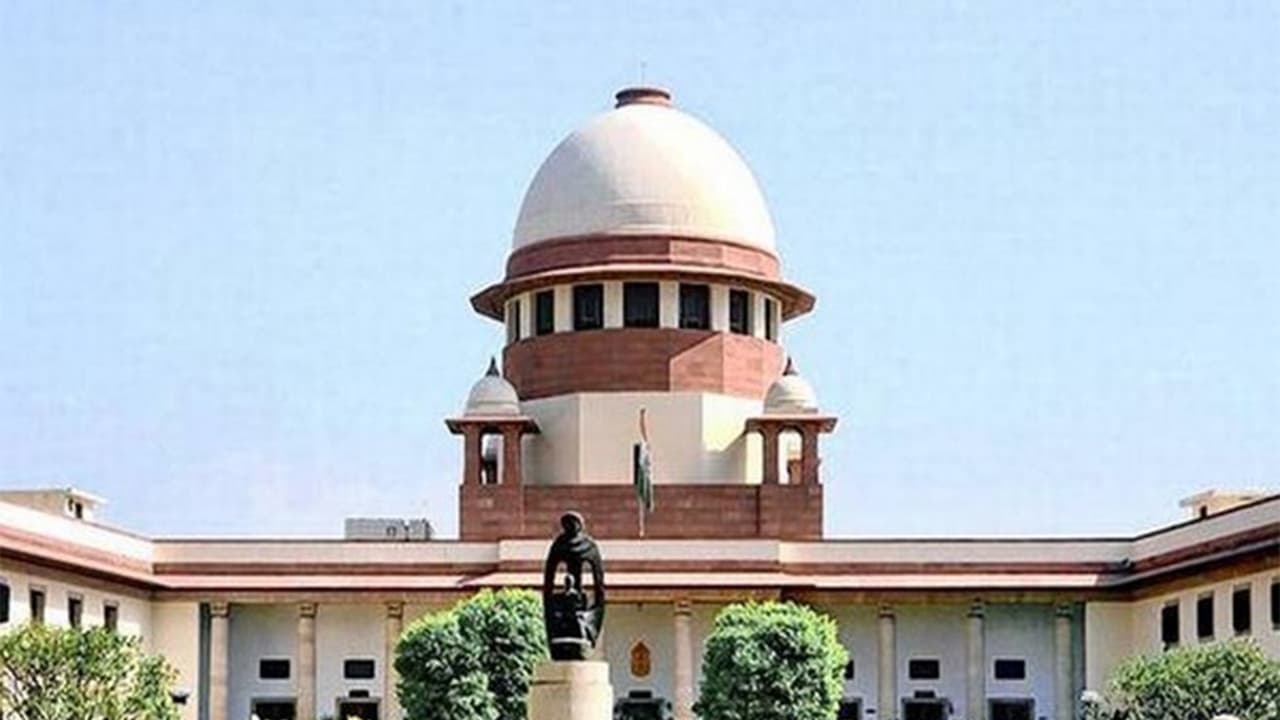
On 1 April 2026, the Supreme Court refused to directly review the ASI survey report, videography, and objections in the Bhojshala Temple-Kamal Maula Mosque dispute in Dhar district, Madhya Pradesh. Instead, the Court directed the Madhya Pradesh High Court to consider all objections raised by parties during the final hearing.
A bench led by CJI Surya Kant stated: “We have no reason to doubt that the High Court will, after seeing the videography, consider objections of either parties as per principles of natural justice.”
The SC clarified it has not expressed any opinion on the merits of the case and that parties remain free to approach the High Court with any grievances.
Background: The Bhojshala Dispute
The Bhojshala Temple-Kamal Maula Mosque complex is an ASI-protected monument in Dhar, MP. The dispute centres on the religious identity of the 11th-century structure:
- Hindu claim: The site is the Bhojshala, a centre of learning established by Paramara King Raja Bhoj (1010-1055 CE), dedicated to Goddess Vagdevi (Saraswati)
- Muslim claim: The structure is the Kamal Maula Mosque, built during the reign of Mahmood Khilji (II) in 1514 CE
- Current arrangement: Under an ASI order of 7 April 2003, Hindus worship every Tuesday and Muslims offer namaz every Friday
ASI Survey Findings
The Archaeological Survey of India (ASI) conducted a court-mandated scientific survey and submitted a detailed report exceeding 2,000 pages. The report indicates that a large structure dating to the Paramara dynasty predated the mosque, and that the existing structure was built using materials from earlier temples.
The MP High Court judges personally inspected the site on 28 March 2026, arriving at 1:50 PM and leaving at 2:45 PM. No party was allowed to be present during the inspection.
1. Places of Worship Act 1991: Freezes the religious character of all places of worship as they existed on 15 August 1947. The only exception was the Ram Janmabhoomi-Babri Masjid dispute. The Act’s applicability to Bhojshala is a key legal question.
2. Article 25 — Freedom of Religion: Guarantees freedom of conscience and the right to freely profess, practise, and propagate religion, subject to public order, morality, and health.
3. Article 26 — Religious Denominations: Every religious denomination has the right to manage its own affairs in matters of religion, establish institutions, and administer property.
4. AMASR Act 1958: The Ancient Monuments and Archaeological Sites and Remains Act under which ASI protects and maintains ancient monuments, including conducting scientific surveys.
5. Article 142: Empowers the Supreme Court to pass any decree or order necessary for doing complete justice in any cause or matter pending before it.
Key Legal Doctrines at Play
Essential Religious Practices Doctrine
Established in Commissioner HRE v Sri Lakshmindra Thirtha Swamiar (1954), this doctrine holds that only practices that are essential and integral to a religion receive constitutional protection under Articles 25-26. Courts must determine which practices are truly essential versus those that are merely customary.
Principles of Natural Justice
The SC’s emphasis on natural justice means both sides must receive a fair hearing before the High Court. The audi alteram partem (hear the other side) principle is central to the proceedings.
– Places of Worship Act 1991: A frequently tested legislation in CLAT. Understand its scope, the 1947 cut-off date, and the Ayodhya exception
– Art 25-26 Balance: Religious freedom is not absolute — it is subject to public order, morality, and health. Questions on this balance are common in CLAT legal reasoning
– ASI’s Evidentiary Role: Archaeological evidence is increasingly important in religious site disputes. Understanding the AMASR Act 1958 is valuable for Govt. Exams
– Judicial Restraint: The SC’s decision to let the HC decide demonstrates judicial restraint and the principle that lower courts should first adjudicate facts
| Location | Dhar district, Madhya Pradesh |
| Hindu Association | Paramara dynasty, Raja Bhoj (11th century) |
| Muslim Association | Kamal Maula Mosque (1514 CE) |
| Current Arrangement | Hindus: Tuesday | Muslims: Friday |
| ASI Report | 2,000+ pages, Paramara-era structure predated mosque |
| Key Legislation | Places of Worship Act 1991, AMASR Act 1958 |
T — Tuesday worship for Hindus (ASI arrangement)
E — Essential religious practices doctrine
M — MP High Court to decide the case
P — Places of Worship Act 1991 (15 Aug 1947 cut-off)
L — Lakshmindra Thirtha case (1954 — essential practices)
E — Evidence from ASI survey (2000+ pages)
Source: Asianet Newsable, Verdictum, LiveLaw — 1 April 2026
Practice Quiz
Test your understanding with these 10 MCQs:
Practice Quiz — 10 CLAT-Style Questions
Click an option to reveal the answer and explanation.