CURRENT AFFAIRS | MARCH 29, 2026
CLAT GK + ECONOMY & FISCAL POLICY
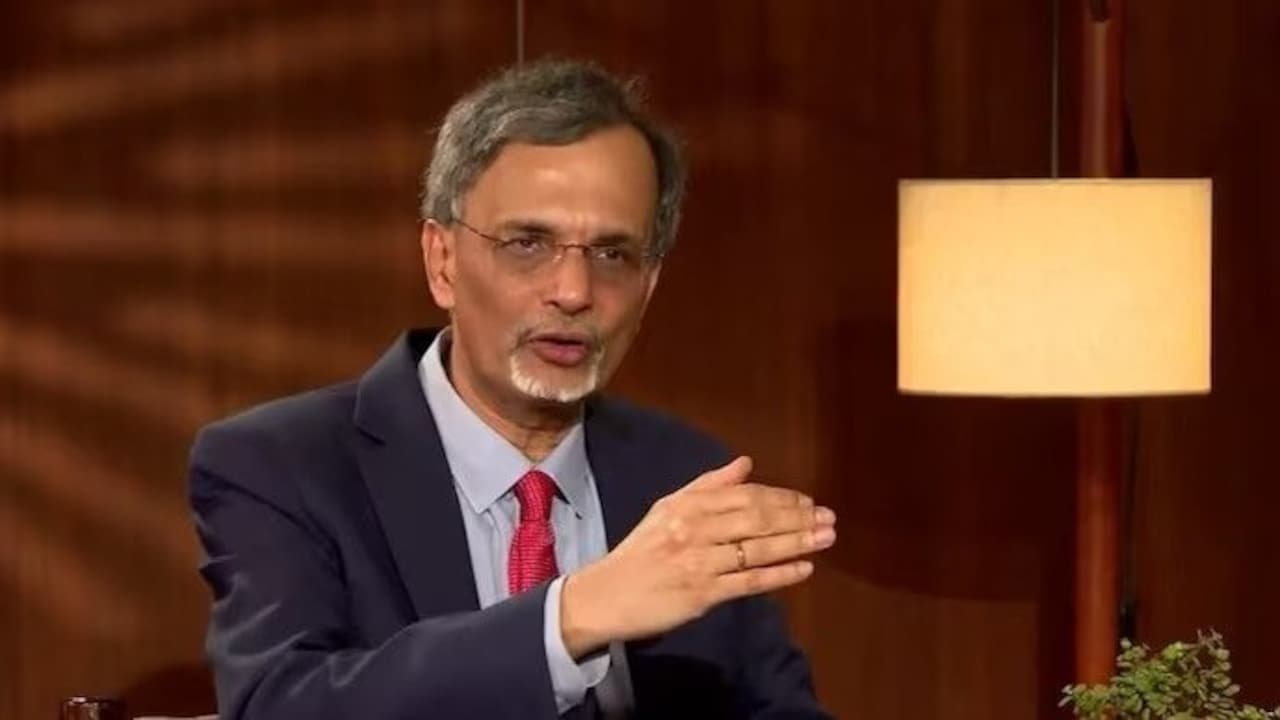
Chief Economic Adviser (CEA) V Anantha Nageswaran has cautioned that India’s GDP growth faces a “considerable downside” risk, revising the FY27 growth estimate to 7-7.4% from the earlier optimistic projection of 7.6%. The downgrade comes amid the escalating West Asia conflict, which has pushed crude oil prices to $111.93 per barrel, disrupted trade routes, and created significant inflationary pressures. The March Monthly Economic Review by the Finance Ministry recommends that government spending must be “re-prioritised so that relief is targeted at those who have been hit hardest.”
What Happened?
The CEA’s revised forecast reflects the economic fallout of the Iran war that began on February 28, 2026. Energy prices have shot up dramatically, with crude oil jumping to $111.93/bbl. The disruption of shipping through the Strait of Hormuz has added to supply chain pressures. Multiple agencies have followed with their own downgrades:
- Goldman Sachs: Cut India’s FY27 growth forecast to 6.5% from 7% — the first major agency to do so
- OECD: Lowered projection to 6.1% (from 6.2%)
- ICICI Bank: Reduced forecast by 50 basis points to 7%
- Moody’s: Estimates 6.4%
- S&P Global and Crisil: Anticipate growth around 7.1%
Inflation is expected to jump from 2% in FY26 to 5.1% in FY27, and the RBI may temporarily raise policy rates in Q2 2026 to combat inflationary pressures. Despite these headwinds, India remains the fastest-growing major economy.
Legal Framework
- Article 112 (Annual Financial Statement): The President shall cause to be laid before both Houses of Parliament a statement of estimated receipts and expenditure — the constitutional basis of the Union Budget.
- FRBM Act, 2003 (Fiscal Responsibility and Budget Management): Mandates the Central Government to reduce fiscal deficit and ensure fiscal discipline. The Act sets targets for eliminating revenue deficit and reducing fiscal deficit to 3% of GDP.
- Article 292 (Borrowing by Government of India): The executive power of the Union extends to borrowing upon the security of the Consolidated Fund of India within limits fixed by Parliament.
- RBI Act, 1934: Establishes the Reserve Bank of India and empowers it to regulate monetary policy, including interest rates — directly relevant to the potential rate hike in Q2 2026.
CLAT Exam Angle
- Role of CEA: The Chief Economic Adviser advises the Finance Ministry and authors the Economic Survey — a key institutional position frequently asked in CLAT GK.
- Fiscal Policy: Questions on the FRBM Act, fiscal deficit targets, and the budgetary process under Art. 112 are high-frequency CLAT topics.
- Impact of Geopolitics on Economy: The correlation between West Asia conflicts and oil prices/inflation is a classic CLAT current affairs + reasoning topic.
- Monetary Policy: RBI’s role in inflation management (repo rate, reverse repo rate) and its statutory basis under the RBI Act 1934 are commonly tested.
Key Facts at a Glance
| CEA | V Anantha Nageswaran |
| Revised FY27 GDP Forecast | 7-7.4% (downside risk) |
| Crude Oil Price | $111.93/bbl |
| Goldman Sachs Forecast | 6.5% |
| OECD Forecast | 6.1% |
| Expected Inflation FY27 | 5.1% (up from 2% in FY26) |
| FRBM Fiscal Deficit Target | 3% of GDP |
Mnemonic: FISCAL
Remember the key fiscal and economic provisions:
- F — FRBM Act 2003 (fiscal discipline)
- I — Inflation targeting by RBI (RBI Act 1934)
- S — Statement of receipts: Art. 112 (Annual Financial Statement)
- C — CEA advises Finance Ministry (Monthly Economic Review)
- A — Art. 292 (Government borrowing powers)
- L — Limits on deficit set by law (FRBM targets)
Practice Quiz
Practice Quiz — 10 CLAT-Style Questions
Click an option to reveal the answer and explanation.