CURRENT AFFAIRS | MARCH 26, 2026
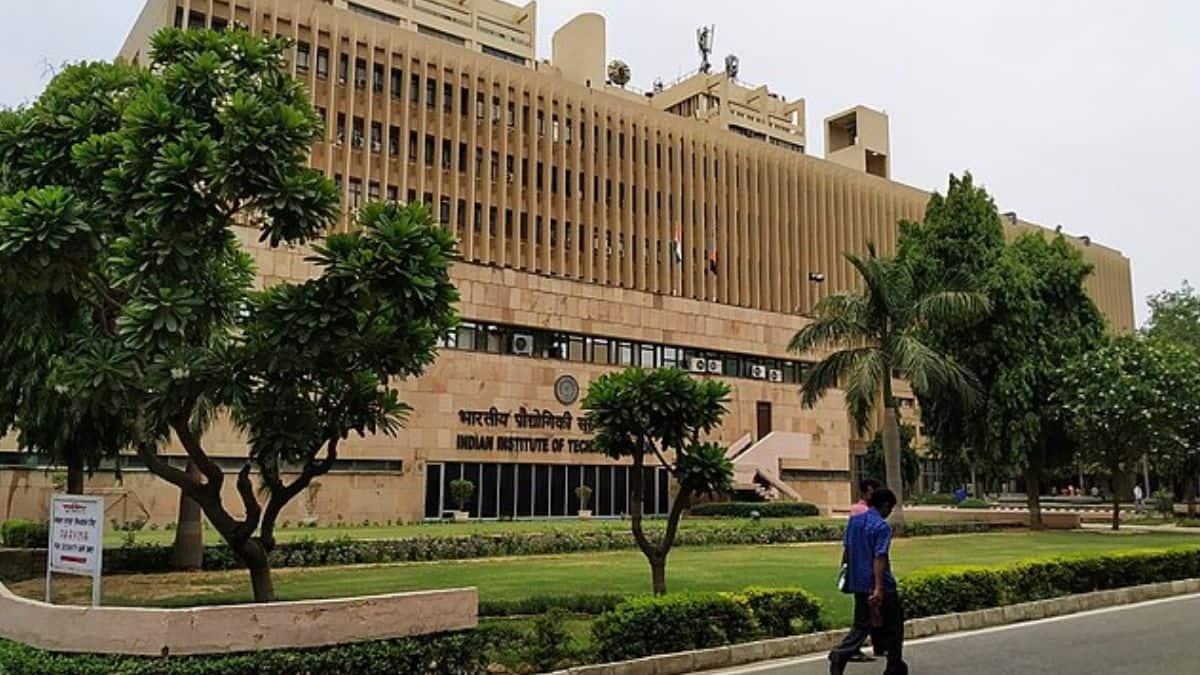
Indian higher education institutions have made significant strides in the QS World University Rankings by Subject 2026. IIT Kharagpur climbed 23 ranks, IIM Ahmedabad topped Indian institutions for management, and ISM Dhanbad claimed the number one spot in Engineering – Mineral & Mining. However, IIT Delhi and IIT Bombay slipped on employer reputation scores. For Govt. Exams 2026-27 aspirants, this intersects with education policy, constitutional provisions, and India’s global academic positioning.
Key Highlights from QS Rankings 2026
- IIT Kharagpur — jumped 23 ranks, reflecting improved research output and academic reputation
- IIM Ahmedabad — tops Indian institutions for management studies, maintaining its position as India’s premier business school globally
- ISM Dhanbad — ranked 1st in India and among the best globally in Engineering – Mineral & Mining
- IIT Delhi and IIT Bombay — slipped in rankings due to declining employer reputation scores
- Overall, India’s representation in QS subject rankings has grown, signalling the country’s expanding role in global higher education
What are QS World University Rankings?
The QS (Quacquarelli Symonds) World University Rankings are published annually by the British higher education consultancy QS. The subject rankings evaluate institutions across five key parameters:
- Academic Reputation — based on global academic survey
- Employer Reputation — based on global employer survey
- Research Citations per Paper — measuring research impact
- H-Index — measuring productivity and impact of published research
- International Research Network — measuring global collaboration
Constitutional Framework
Article 21A — The State shall provide free and compulsory education to all children of the age of six to fourteen years in such manner as the State may, by law, determine. (Inserted by 86th Amendment, 2002)
Article 41 (DPSP) — The State shall, within the limits of its economic capacity, make effective provision for securing the right to work, to education, and to public assistance in cases of unemployment, old age, sickness, and disablement.
Article 45 (DPSP) — The State shall endeavour to provide early childhood care and education for all children until they complete the age of six years. (Substituted by 86th Amendment, 2002)
CLAT Angle — How This Can Be Asked
- Reading Comprehension: Passage analyzing India’s performance in global university rankings — questions on why some IITs improved while others slipped
- Legal Reasoning: Scenario — A private university claims autonomy from UGC regulations. Does UGC Act 1956 override institutional autonomy under NEP 2020 framework?
- Logical Reasoning: Data interpretation — comparing ranking parameters (academic reputation vs employer reputation) across institutions
- GK/Current Affairs: Direct questions on NEP 2020, Art. 21A, UGC Act, AICTE, and specific ranking facts
National Education Policy (NEP) 2020
The National Education Policy 2020 provides the policy framework for India’s aspiration to become a global education hub. Key features relevant to university rankings:
- Multidisciplinary approach — breaking down rigid silos between streams
- Research focus — establishment of the National Research Foundation (NRF) with annual funding of Rs 20,000 crore
- Internationalization — allowing top foreign universities to set up campuses in India
- Academic Bank of Credits (ABC) — enabling credit transfer across institutions
- Target: Gross Enrolment Ratio (GER) in higher education to reach 50% by 2035 (from ~27% currently)
Key Facts at a Glance
| IIT Kharagpur rank improvement | Up 23 ranks |
| IIM-A topped in | Management studies (India) |
| ISM Dhanbad — India No. 1 in | Engineering – Mineral & Mining |
| QS Rankings published by | Quacquarelli Symonds (UK) |
| NEP 2020 GER target | 50% by 2035 |
| UGC established under | UGC Act, 1956 |
Regulatory Framework for Higher Education
India’s higher education sector is governed by multiple regulatory bodies:
- University Grants Commission (UGC) — established under the UGC Act 1956, coordinates and maintains standards in university education
- All India Council for Technical Education (AICTE) — established in 1945, statutory status in 1987, regulates technical education
- National Assessment and Accreditation Council (NAAC) — assesses and accredits institutions
- National Institutional Ranking Framework (NIRF) — India’s domestic ranking system launched in 2016
Under NEP 2020, these bodies are proposed to be subsumed under the Higher Education Commission of India (HECI) for a more streamlined regulatory architecture.
Mnemonic: LEARN (Education Articles)
L — Literacy and education — Art. 21A (Right to education, 6-14 years)
E — Employment and education — Art. 41 (DPSP, right to education and public assistance)
A — Art. 45 — Early childhood care and education (up to 6 years)
R — Right to establish educational institutions — Art. 19(1)(g) read with Art. 30
N — NEP 2020 — National Education Policy for 21st century transformation
Why IIT Delhi and IIT Bombay Slipped
The slip in rankings for IIT Delhi and IIT Bombay was primarily attributed to declining employer reputation scores. This metric captures how well graduates are perceived by global employers. Possible factors include:
- Increasing competition from international institutions investing heavily in industry partnerships
- Need for stronger global alumni networks and placement diversification
- Greater emphasis needed on soft skills, interdisciplinary learning, and entrepreneurship
This highlights that while research output is improving, Indian institutions need to strengthen industry-academia linkages to compete globally.
[clat_quiz data-b64=”W3sicSI6ICJIb3cgbWFueSByYW5rcyBkaWQgSUlUIEtoYXJhZ3B1ciBqdW1wIGluIHRoZSBRUyBXb3JsZCBVbml2ZXJzaXR5IFJhbmtpbmdzIDIwMjY/IiwgIm9wdGlvbnMiOiBbIjEzIiwgIjE4IiwgIjIzIiwgIjI4Il0sICJhbnN3ZXIiOiAyLCAiZXhwbGFuYXRpb24iOiAiSUlUIEtoYXJhZ3B1ciBtb3ZlZCB1cCAyMyByYW5rcyBpbiB0aGUgUVMgV29ybGQgVW5pdmVyc2l0eSBSYW5raW5ncyBieSBTdWJqZWN0IDIwMjYuIn0sIHsicSI6ICJXaGljaCBJbmRpYW4gaW5zdGl0dXRpb24gdG9wcGVkIGZvciBtYW5hZ2VtZW50IHN0dWRpZXMgaW4gdGhlIFFTIFJhbmtpbmdzPyIsICJvcHRpb25zIjogWyJJSU0gQmFuZ2Fsb3JlIiwgIklJTSBBaG1lZGFiYWQiLCAiSUlNIENhbGN1dHRhIiwgIklJTSBMdWNrbm93Il0sICJhbnN3ZXIiOiAxLCAiZXhwbGFuYXRpb24iOiAiSUlNIEFobWVkYWJhZCB0b3BwZWQgSW5kaWFuIGluc3RpdHV0aW9ucyBmb3IgbWFuYWdlbWVudCBpbiB0aGUgUVMgV29ybGQgUmFua2luZ3MgYnkgU3ViamVjdCAyMDI2LiJ9LCB7InEiOiAiQXJ0aWNsZSAyMUEgb2YgdGhlIENvbnN0aXR1dGlvbiBwcm92aWRlcyBmb3I6IiwgIm9wdGlvbnMiOiBbIlJpZ2h0IHRvIGxpZmUiLCAiUmlnaHQgdG8gZWR1Y2F0aW9uIGZvciBjaGlsZHJlbiBhZ2VkIDYtMTQiLCAiUmlnaHQgdG8gaGlnaGVyIGVkdWNhdGlvbiIsICJSaWdodCB0byB2b2NhdGlvbmFsIHRyYWluaW5nIl0sICJhbnN3ZXIiOiAxLCAiZXhwbGFuYXRpb24iOiAiQXJ0aWNsZSAyMUEgcHJvdmlkZXMgdGhhdCB0aGUgU3RhdGUgc2hhbGwgcHJvdmlkZSBmcmVlIGFuZCBjb21wdWxzb3J5IGVkdWNhdGlvbiB0byBhbGwgY2hpbGRyZW4gYWdlZCA2IHRvIDE0IHllYXJzLiJ9LCB7InEiOiAiVGhlIE5hdGlvbmFsIEVkdWNhdGlvbiBQb2xpY3kgKE5FUCkgd2FzIGludHJvZHVjZWQgaW4gd2hpY2ggeWVhcj8iLCAib3B0aW9ucyI6IFsiMjAxOCIsICIyMDE5IiwgIjIwMjAiLCAiMjAyMSJdLCAiYW5zd2VyIjogMiwgImV4cGxhbmF0aW9uIjogIlRoZSBOYXRpb25hbCBFZHVjYXRpb24gUG9saWN5IChORVApIDIwMjAgd2FzIGFwcHJvdmVkIGJ5IHRoZSBVbmlvbiBDYWJpbmV0IG9uIDI5IEp1bHkgMjAyMC4ifSwgeyJxIjogIklTTSBEaGFuYmFkIHdhcyByYW5rZWQgMXN0IGluIEluZGlhIGluIHdoaWNoIFFTIHN1YmplY3QgY2F0ZWdvcnk/IiwgIm9wdGlvbnMiOiBbIkNvbXB1dGVyIFNjaWVuY2UiLCAiQ2l2aWwgRW5naW5lZXJpbmciLCAiRW5naW5lZXJpbmcgLSBNaW5lcmFsIGFuZCBNaW5pbmciLCAiRW52aXJvbm1lbnRhbCBTY2llbmNlcyJdLCAiYW5zd2VyIjogMiwgImV4cGxhbmF0aW9uIjogIklTTSBEaGFuYmFkIHdhcyByYW5rZWQgMXN0IGluIEluZGlhIGluIHRoZSBFbmdpbmVlcmluZyAtIE1pbmVyYWwgYW5kIE1pbmluZyBjYXRlZ29yeSBpbiBRUyBSYW5raW5ncy4ifSwgeyJxIjogIkFydGljbGUgNDUgKERQU1ApIHJlbGF0ZXMgdG86IiwgIm9wdGlvbnMiOiBbIlJpZ2h0IHRvIHdvcmsiLCAiRWFybHkgY2hpbGRob29kIGNhcmUgYW5kIGVkdWNhdGlvbiIsICJFcXVhbCBwYXkgZm9yIGVxdWFsIHdvcmsiLCAiUHJvdGVjdGlvbiBvZiBtb251bWVudHMiXSwgImFuc3dlciI6IDEsICJleHBsYW5hdGlvbiI6ICJBcnRpY2xlIDQ1IGRpcmVjdHMgdGhlIFN0YXRlIHRvIHByb3ZpZGUgZWFybHkgY2hpbGRob29kIGNhcmUgYW5kIGVkdWNhdGlvbiBmb3IgYWxsIGNoaWxkcmVuIHVudGlsIHRoZXkgY29tcGxldGUgdGhlIGFnZSBvZiBzaXggeWVhcnMuIn0sIHsicSI6ICJUaGUgVW5pdmVyc2l0eSBHcmFudHMgQ29tbWlzc2lvbiAoVUdDKSB3YXMgZXN0YWJsaXNoZWQgdW5kZXIgd2hpY2ggQWN0PyIsICJvcHRpb25zIjogWyJVR0MgQWN0IDE5NDgiLCAiVUdDIEFjdCAxOTUzIiwgIlVHQyBBY3QgMTk1NiIsICJVR0MgQWN0IDE5NjEiXSwgImFuc3dlciI6IDIsICJleHBsYW5hdGlvbiI6ICJUaGUgVW5pdmVyc2l0eSBHcmFudHMgQ29tbWlzc2lvbiB3YXMgZXN0YWJsaXNoZWQgdW5kZXIgdGhlIFVHQyBBY3QgMTk1NiB0byBjb29yZGluYXRlIGFuZCBtYWludGFpbiBzdGFuZGFyZHMgaW4gaGlnaGVyIGVkdWNhdGlvbi4ifSwgeyJxIjogIlFTIFdvcmxkIFVuaXZlcnNpdHkgUmFua2luZ3MgYXJlIHB1Ymxpc2hlZCBieToiLCAib3B0aW9ucyI6IFsiVGltZXMgSGlnaGVyIEVkdWNhdGlvbiIsICJRdWFjcXVhcmVsbGkgU3ltb25kcyIsICJVLlMuIE5ld3MiLCAiU2hhbmdoYWkgUmFua2luZyBDb25zdWx0YW5jeSJdLCAiYW5zd2VyIjogMSwgImV4cGxhbmF0aW9uIjogIlFTIChRdWFjcXVhcmVsbGkgU3ltb25kcykgaXMgdGhlIEJyaXRpc2ggY29tcGFueSB0aGF0IHB1Ymxpc2hlcyB0aGUgUVMgV29ybGQgVW5pdmVyc2l0eSBSYW5raW5ncyBhbm51YWxseS4ifSwgeyJxIjogIldoaWNoIEFydGljbGUgdW5kZXIgRFBTUCBwcm92aWRlcyBmb3IgdGhlIHJpZ2h0IHRvIGVkdWNhdGlvbiBhbmQgcHVibGljIGFzc2lzdGFuY2U/IiwgIm9wdGlvbnMiOiBbIkFydGljbGUgMzkiLCAiQXJ0aWNsZSA0MSIsICJBcnRpY2xlIDQzIiwgIkFydGljbGUgNDYiXSwgImFuc3dlciI6IDEsICJleHBsYW5hdGlvbiI6ICJBcnRpY2xlIDQxIGRpcmVjdHMgdGhlIFN0YXRlIHRvIG1ha2UgZWZmZWN0aXZlIHByb3Zpc2lvbiBmb3Igc2VjdXJpbmcgdGhlIHJpZ2h0IHRvIGVkdWNhdGlvbiBhbmQgcHVibGljIGFzc2lzdGFuY2UgaW4gY2FzZXMgb2YgdW5lbXBsb3ltZW50LCBvbGQgYWdlLCBzaWNrbmVzcywgYW5kIGRpc2FibGVtZW50LiJ9LCB7InEiOiAiQUlDVEUgc3RhbmRzIGZvcjoiLCAib3B0aW9ucyI6IFsiQWxsIEluZGlhIENvdW5jaWwgZm9yIFRlY2huaWNhbCBFZHVjYXRpb24iLCAiQWxsIEluZGlhIENvbW1pc3Npb24gZm9yIFRlY2huaWNhbCBFdmFsdWF0aW9uIiwgIkFsbCBJbmRpYSBDZW50cmUgZm9yIFRlY2hub2xvZ3kgYW5kIEVuZ2luZWVyaW5nIiwgIkFzc29jaWF0aW9uIG9mIEluZGlhbiBDb2xsZWdlcyBmb3IgVGVjaG5pY2FsIEVkdWNhdGlvbiJdLCAiYW5zd2VyIjogMCwgImV4cGxhbmF0aW9uIjogIkFJQ1RFIHN0YW5kcyBmb3IgQWxsIEluZGlhIENvdW5jaWwgZm9yIFRlY2huaWNhbCBFZHVjYXRpb24sIGVzdGFibGlzaGVkIGluIDE5NDUgYW5kIGdpdmVuIHN0YXR1dG9yeSBzdGF0dXMgaW4gMTk4Ny4ifV0=”]