CURRENT AFFAIRS | MARCH 27, 2026
CLAT GK + ENVIRONMENTAL LAW & CONSTITUTIONAL PROVISIONS
What Happened?
The Union Cabinet on 25 March 2026 approved India’s third Nationally Determined Contribution (NDC-3) for the period 2031-2035, to be communicated to the UNFCCC under the Paris Agreement framework.
Three Key Targets
- 47% reduction in emissions intensity of GDP from 2005 levels by 2035
- 60% non-fossil fuel installed electricity capacity by 2035
- 3.5-4 billion tonnes CO2 equivalent additional carbon sink by 2035 through forest and tree cover
Progress So Far
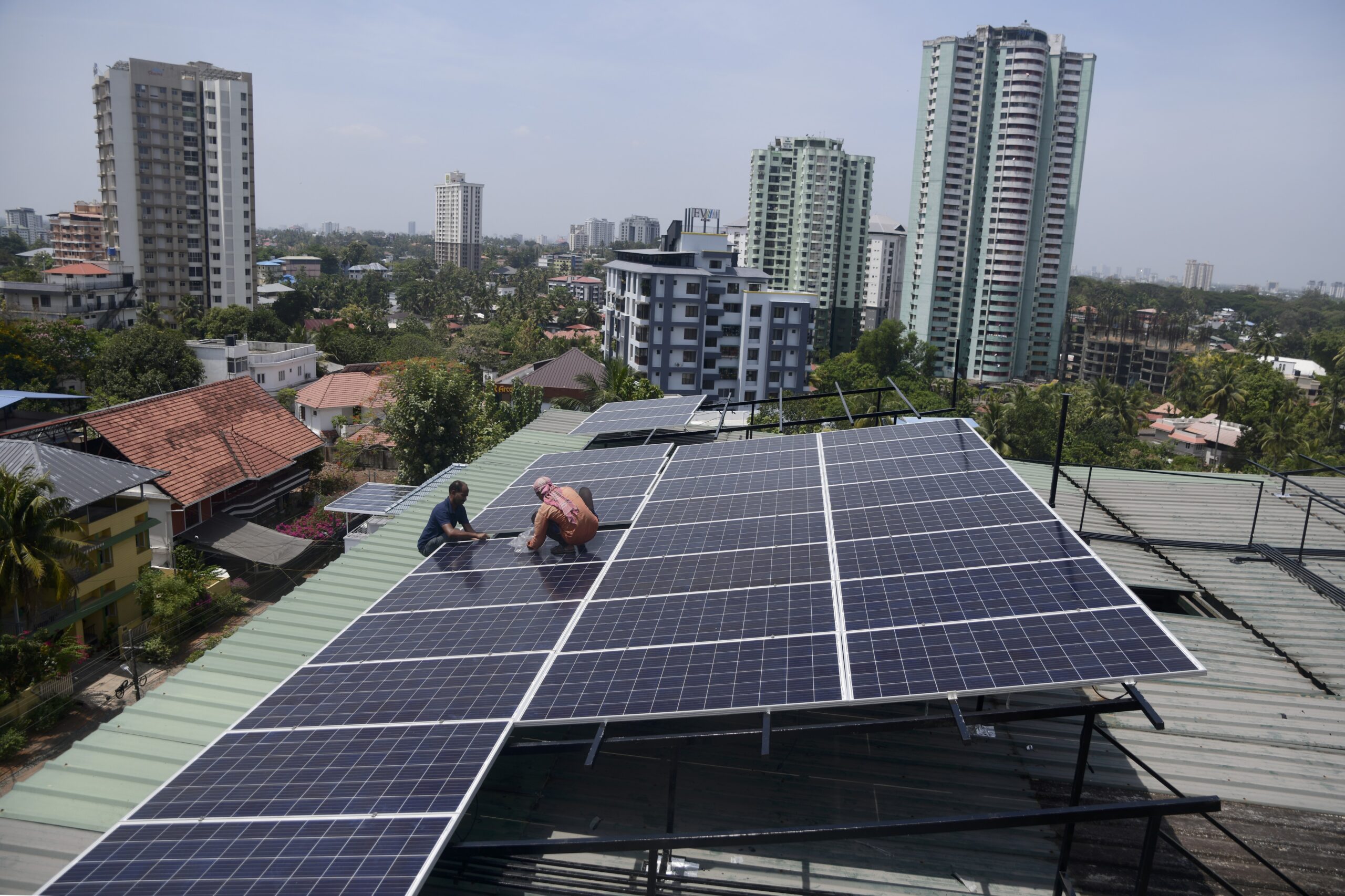
India has already achieved 36% emissions intensity reduction (2005-2020) and 52.7% non-fossil fuel share in installed electricity capacity by February 2026 — surpassing its NDC-2 target of 50% five years ahead of schedule. The current carbon sink stands at 2.29 billion tonnes CO2 equivalent (2021).
NDC Progression
- NDC-1 (2015): 33-35% emissions intensity reduction by 2030; 40% non-fossil capacity
- NDC-2 (2022): 45% emissions intensity reduction by 2030; 50% non-fossil capacity
- NDC-3 (2026): 47% emissions intensity reduction by 2035; 60% non-fossil capacity
The targets are aligned with India’s net-zero by 2070 commitment (announced at COP 26, Glasgow). Critics note the targets are conservative — the Central Electricity Authority’s own projections estimate nearly 70% non-fossil capacity by 2035-36.
Constitutional & Legal Framework
- Article 48A (DPSP) — Directs the State to protect and improve the environment and safeguard forests and wildlife
- Article 51A(g) (Fundamental Duty) — Duty of every citizen to protect the natural environment including forests, lakes, rivers, and wildlife, and to have compassion for living creatures
- MC Mehta v Union of India — Series of cases establishing the polluter pays principle and precautionary principle in Indian environmental jurisprudence
- Paris Agreement (2015) — International climate treaty under UNFCCC requiring NDCs from all parties; India is a party since ratification in 2016
- Article 253 — Parliament’s power to legislate for implementing international treaties like the Paris Agreement
CLAT Angle — Why This Matters
- DPSP-Fundamental Rights Nexus: Article 48A (environment DPSP) read with Article 21 (right to clean environment as part of right to life) — a classic CLAT question pattern
- Emissions Intensity vs Absolute Emissions: India uses emissions intensity (per unit GDP) rather than absolute caps — understand why this distinction matters for developing nations
- Common But Differentiated Responsibilities (CBDR): India’s defence at climate negotiations — developed countries have historical responsibility; frequently appears in CLAT legal reasoning passages
- Judicial Activism on Environment: MC Mehta, Vellore Citizens Welfare Forum, and Indian Council for Enviro-Legal Action cases shaped environmental law — know these for Govt. Exams
Key Facts at a Glance
| Approval Date | 25 March 2026 |
| NDC Period | 2031-2035 |
| Emissions Intensity Target | 47% reduction from 2005 levels by 2035 |
| Non-Fossil Capacity Target | 60% by 2035 |
| Carbon Sink Target | 3.5-4 billion tonnes CO2 equivalent |
| Current Non-Fossil Share | 52.7% (Feb 2026) |
| Net-Zero Target Year | 2070 |
Mnemonic — “NDC FOREST”
Nationally Determined Contribution — 3rd iteration
DPSP Article 48A — protect environment
Carbon sink: 3.5-4 billion tonnes target
Fundamental Duty — Art 51A(g)
Obligations under Paris Agreement
Reduction: 47% emissions intensity by 2035
Energy: 60% non-fossil capacity target
Seventy (2070) — net-zero year
Treaty power — Article 253
Practice Quiz
Practice Quiz — 10 CLAT-Style Questions
Click an option to reveal the answer and explanation.