CURRENT AFFAIRS | 28 APRIL 2026
CLAT GK + CONSTITUTIONAL LAW & FREE SPEECH
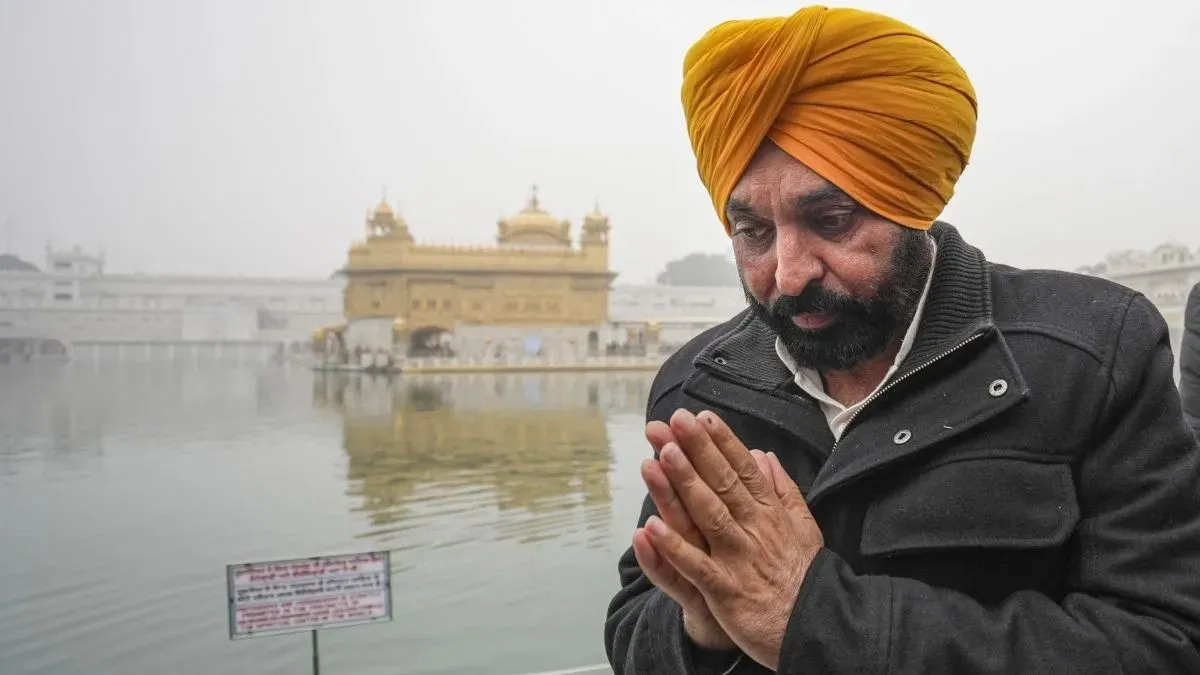
The AAP-led Punjab government, in a special assembly session on 13 April 2026, unanimously passed the Jaagat Jot Sri Guru Granth Sahib Satkar (Amendment) Bill, 2026, prescribing 7-20 years’ imprisonment (extendable to life) and a fine up to ₹25 lakh for sacrilege of the Guru Granth Sahib. Governor Gulab Chand Kataria gave assent on 19 April. In an Indian Express editorial today (28 April), Prof Faizan Mustafa, Vice-Chancellor of Chanakya National Law University, Patna, argues that the law goes further than Section 295-B of the Pakistan Penal Code — and crucially removes the defence of unsoundness of mind that has been on Indian statute books since the IPC of 1860.
The development sits at the centre of three live constitutional debates: the contours of Article 19(1)(a) free speech vs. Article 19(2) public-order restrictions; the scope of BNS Section 299 (formerly IPC 295A); and the Supreme Court’s evolving blasphemy jurisprudence — most recently the 10 April 2026 stay on criminal proceedings against Rev. Father Vineet Vincent Pereira, accused of hurting religious sentiments during prayer meetings.
⚖️ Constitutional & Legal Framework
- Article 19(1)(a) — freedom of speech and expression; Article 19(2) — eight enumerated restrictions including ‘public order’, ‘decency or morality’, and ‘incitement to an offence’.
- Articles 25-28 — Freedom of Religion: 25 (conscience and free profession), 26 (manage religious affairs), 27 (no taxes for promotion of religion), 28 (no religious instruction in wholly state-funded institutions).
- BNS Section 299 (formerly IPC §295A) — deliberate and malicious acts intended to outrage religious feelings; max 3 years + fine. Punjab’s 2026 Act creates a special enhanced offence for desecration of the Guru Granth Sahib.
- BNS Section 22 (formerly IPC §84) — McNaughten rule: act of a person of unsound mind not an offence. Punjab law’s removal of this defence raises Art 14 (manifest arbitrariness — Shayara Bano v UoI) and Art 21 (Maneka Gandhi) red flags.
- Ramji Lal Modi v State of UP, AIR 1957 SC 620 — Constitution Bench upheld IPC 295A under Art 19(2) ground of ‘public order’.
- Mahendra Singh Dhoni v Yerraguntla Shyamsundar, (2017) 7 SCC 760 — re-affirmed that mens rea (deliberate, malicious intent) is the heart of 295A.
- Justice Saurabh Srivastava (Allahabad HC) observation noted by Mustafa: any assertion that one religion is ‘the only true religion’ could in principle attract BNS 299 — illustrating the law’s sweeping reach.
- SC stay (10 April 2026) on FIRs against Father Pereira for prayer-meeting sermons — flag for proportionality and Art 25 protection.
📚 Why This Matters for Govt. Exams 2026-27
This is a textbook Govt. Exams 2026-27 passage waiting to be written: a fact pattern about an enhanced state-level blasphemy law, then a battery of questions on (i) which entry of the Seventh Schedule authorises Punjab to legislate (List III, Entry 1 — Criminal Law), (ii) whether the harshness violates Art 14’s manifest-arbitrariness test, (iii) the proportionality test from K.S. Puttaswamy v UoI (2017), and (iv) the precise import of Article 19(2)’s ‘public order’ ground as upheld in Ramji Lal Modi. Comparators worth memorising: blasphemy has been abolished in the UK (2008), Ireland (2018), Greece (2019), Iceland (2015), Norway (2015) and Denmark (2017); only some Muslim-majority states retain it. Mustafa, who argued against the inclusion of blasphemy in BNS 299 in 2023, holds that retention was a legislative misstep. CLAT GK may also test the institutional authorship: Chanakya National Law University, Patna, founded 2006, the law school where Mustafa serves as VC.
📊 Key Facts at a Glance
| Element | Detail |
|---|---|
| Bill name | Jaagat Jot Sri Guru Granth Sahib Satkar (Amendment) Bill, 2026 |
| Passed | 13 April 2026 (Punjab Vidhan Sabha, unanimous) |
| Assent | 19 April 2026 (Governor Gulab Chand Kataria) |
| Punishment | 7-20 years; extending to life; fine up to ₹25 lakh |
| Comparator | Pakistan Penal Code §295-B (life imprisonment); Punjab law removes insanity defence |
| BNS provision | Section 299 (= former IPC §295A) — base blasphemy offence |
| Free speech anchor | Art 19(1)(a) read with Art 19(2) ‘public order’ |
| Leading cases | Ramji Lal Modi (1957); M.S. Dhoni (2017); Pereira SC stay (10 Apr 2026) |
| Op-ed author | Faizan Mustafa, VC Chanakya National Law University, Patna; Indian Express 28 Apr 2026 |
🧠 Memory Hook
’19(1)(a) v 19(2): PUDDIC-SF’ — the eight grounds for restricting free speech: Public order, Unity & integrity (sovereignty), Decency, Defamation, Incitement, Contempt of court, Security of state, Friendly relations.
‘RAMJI-DHONI-PEREIRA’ — three milestones in India’s blasphemy timeline: Ramji Lal Modi (1957) upheld; Dhoni (2017) tightened the mens rea; Pereira (Apr 2026) SC stay flags overreach.
The Constitutional Reckoning Ahead
The Punjab law is virtually certain to face an Article 32 / Article 226 challenge on at least three grounds: vagueness (Articles 14 and 21), the removal of the insanity defence (manifestly arbitrary under Shayara Bano and disproportionate under Puttaswamy), and inconsistency with the federal scheme since the BNS itself prescribes only 3 years for the same conduct. The deeper question is whether India’s secular Constitution can accommodate religion-specific aggravated offences at all, or whether the equal-protection principle of Article 14 — read with Articles 25 and 26 — requires either deletion of all such offences (the Mustafa view) or uniform treatment across religions. Govt. Exams 2026-27 aspirants should also revise S.R. Bommai v UoI (1994) on secularism as basic structure, and the recent Lalita Kumari (2014) framework on FIR registration, since blasphemy FIRs are typically the front line of these disputes.
Practice Quiz — 10 CLAT-Style Questions
Click an option to reveal the answer and explanation.