CURRENT AFFAIRS | 25 APRIL 2026
CLAT GK + International Organisations & UN Law
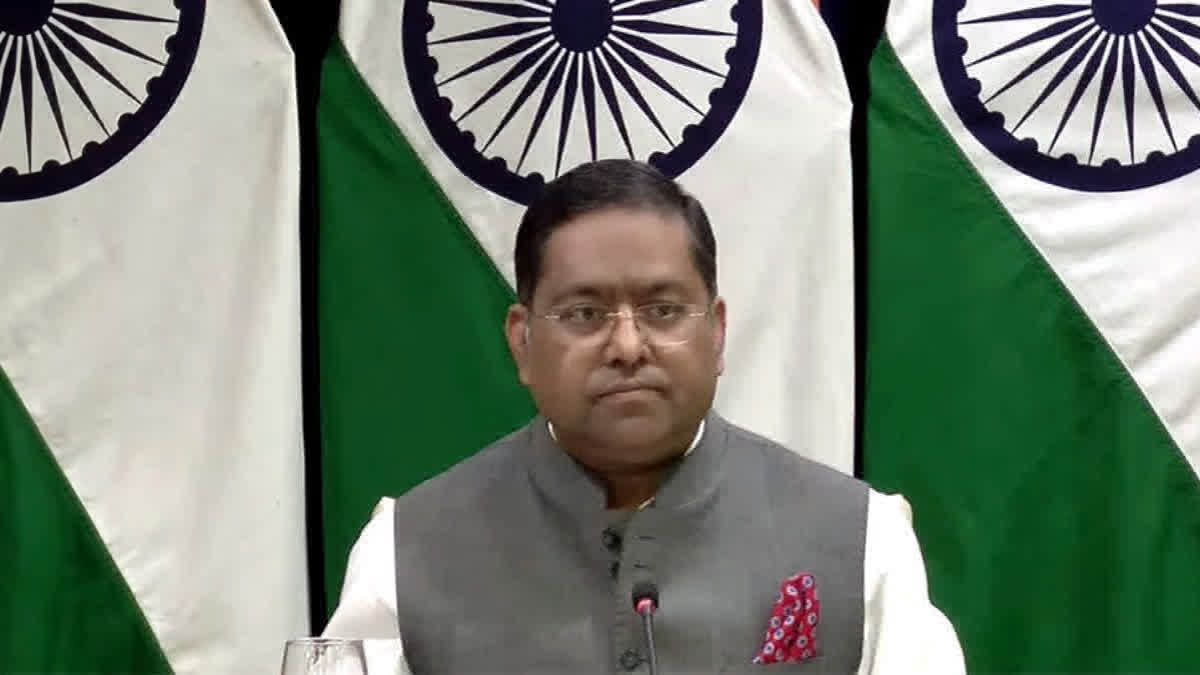
India, as 2026 BRICS Chair, hosted Deputy Foreign Ministers and MENA Envoys of all ten BRICS members in New Delhi on 24 April 2026 to forge a common position on the West Asia conflict. The meeting ended without a joint statement — a repeat of the 2023 Russia-Ukraine impasse — and India had to fall back on a Chair’s summary expressing “deep concern” over the situation. MEA spokesperson Randhir Jaiswal explained that “some members of BRICS are directly involved in the current situation in the West Asia region, which has impacted forging a consensus.” India’s challenge: Iran (under attack), the UAE and Saudi Arabia (hosting US forces) and Indonesia all sit at the same table, with diametrically opposed equities.
Constitutional / Legal Framework
- BRICS structure — original five (Brazil, Russia, India, China, South Africa) + 2024 expansion (Egypt, Ethiopia, Iran, UAE) + 2025 entrants (Saudi Arabia, Indonesia). Argentina pulled out; Turkey is not a member.
- Chair’s summary vs Joint Statement — joint statements need consensus among all members; when consensus fails, the Chair issues a “summary” under its own authority — used by India in 2023 (Russia-Ukraine FMs’) and now in 2026 (West Asia).
- UN Charter Article 2(4) — prohibition on threat or use of force; Article 51 — inherent right of self-defence.
- UNRWA — UN Relief and Works Agency for Palestine Refugees in the Near East (1949), the principal humanitarian channel into Gaza.
- UNIFIL — UN Interim Force in Lebanon (UNSC Res. 425/426, 1978), monitors the Blue Line; Indian troops are part of it.
- UNSCR 1373 + CCIT — anchors of India’s “zero-tolerance” line on terrorism.
- Calendar — BRICS Foreign Ministers’ meeting 14-15 May 2026 (Wang Yi + Lavrov expected); BRICS Leaders’ Summit under China’s 2027 presidency.
Why This Matters for Govt. Exams 2026-27
BRICS expansion appeared in CLAT 2024 GK; UN Charter Article 2(4) is a Legal Reasoning evergreen. Expect a passage on the Chair’s-summary technique — the question may give you the consensus rule and ask whether a chair can override or only “record” disagreement. Memorise the 11-member current BRICS list (Argentina dropped; Turkey not a member), distinguish UNRWA from UNIFIL, and connect “deep concern” language to UN Charter Articles 2(4)/51.
Key Facts at a Glance
| Date | 24 April 2026, New Delhi |
| Format | Deputy FMs + MENA Envoys |
| Outcome | No joint statement; Chair’s summary expressing “deep concern” |
| MEA spokesperson | Randhir Jaiswal |
| BRICS-5 (original) | Brazil, Russia, India, China, South Africa |
| BRICS+ additions | Egypt, Ethiopia, Iran, UAE, Saudi Arabia, Indonesia |
| Consensus blockers | Saudi/UAE/Indonesia host US bases; Iran is target |
| Next BRICS FMs’ meet | 14-15 May 2026 (Wang Yi + Lavrov expected) |
| 2027 Chair | China |
| Indian themes | Zero-tolerance terrorism, dialogue, UNCLOS, humanitarian aid Gaza |
Mnemonic / Memory Hook
“BRICS-EE-IUSS-I” — original five BRICS + 2024 EE (Egypt, Ethiopia) + 2024 IU (Iran, UAE) + 2025 SS (Saudi Arabia) + I (Indonesia). For the consensus rule remember “Joint = consensus, Summary = silence” — when members fall silent, the Chair speaks.
Test Yourself — 10 MCQs
Practice Quiz — 10 CLAT-Style Questions
Click an option to reveal the answer and explanation.